

From First Drawing to Final Tuning
Six disciplines that can be engaged together as a complete design package, or individually where a project needs specific support. Each one produces documentation the rest of the project team can actually build from.
- 01
Sound System Design
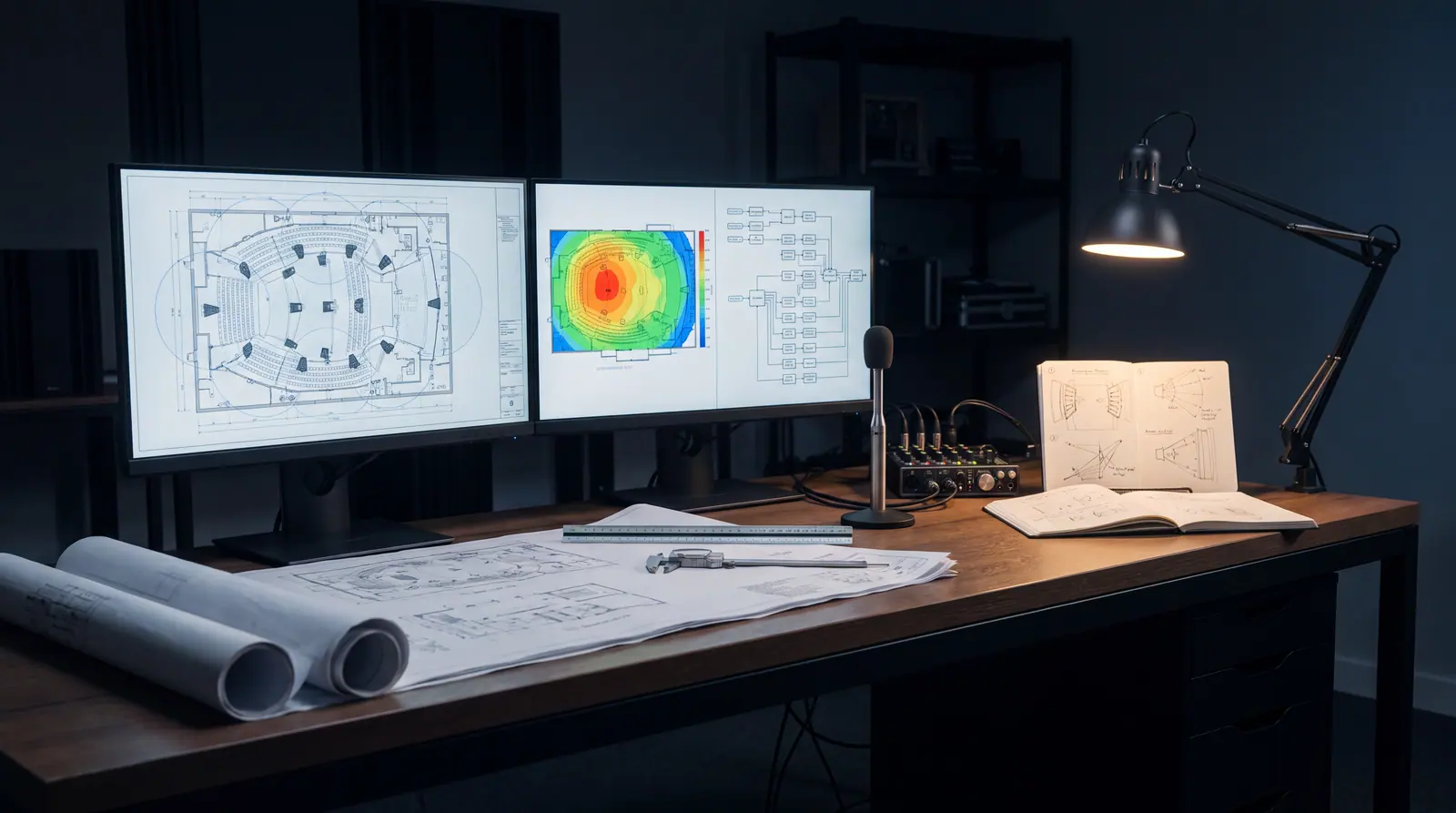
System design is the stage where the entire audio system is decided: how many loudspeakers, of what type, positioned where, driven by what, and controlled how. Every later stage of the project inherits these decisions, which is why they are made deliberately and documented before anything is purchased or installed.
Typical Deliverables
- System concept and design narrative
- Speaker-location plan
- Coverage strategy
- Signal-flow diagram
- Amplifier allocation
- Preliminary equipment schedule
- Infrastructure requirements for power, conduit, and rack space
When It Happens
As early as possible — ideally during schematic design or early design development, while ceiling plans, structure, and electrical routing can still absorb the system's requirements.
Working With Other Trades
The design set is written to be read by people who are not audio specialists. Architects receive speaker locations and mounting requirements, electricians receive power and conduit needs, and the general contractor receives a clear picture of what has to be in place before installation begins.
- 02
Equipment Specification
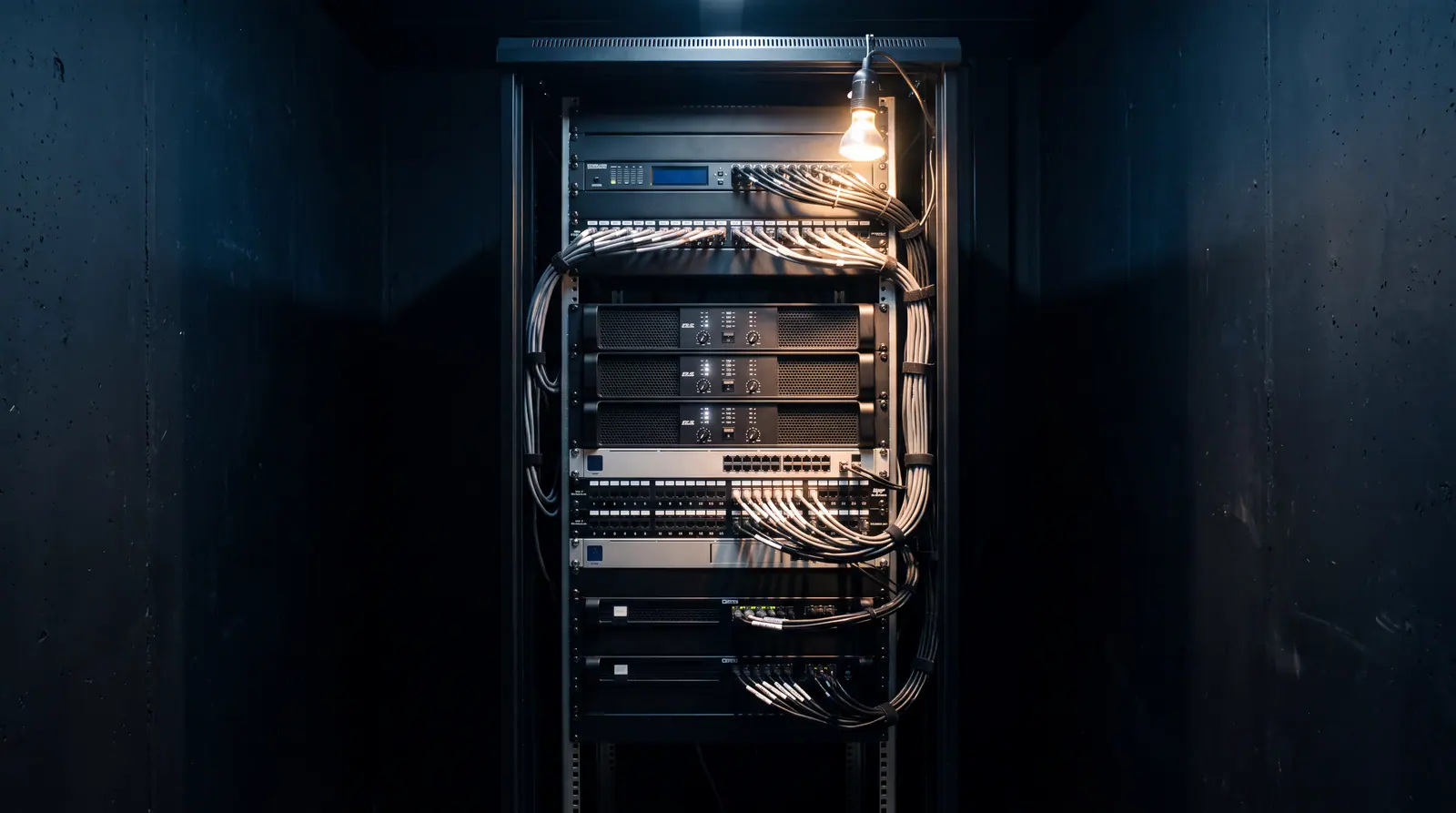
Specification turns the system design into an exact, purchasable list. Each item is selected because the design calls for it — not because of a standing relationship with a manufacturer. CALISONICS is brand-independent, which means equipment is chosen on performance, reliability, serviceability, and fit for the room.
Typical Deliverables
- Equipment schedule with quantities and model numbers
- Amplifier allocation and load calculations
- Rack plan and elevation
- Cable schedule
- Power and thermal requirements
- Notes on acceptable alternates where substitution is safe
When It Happens
Immediately following design approval, and revisited before procurement so that lead times and current availability are reflected.
Working With Other Trades
Specifications are issued in a format that suppliers can quote line by line and that installers can order from directly, which keeps the purchasing conversation factual and comparable.
- 03
Acoustic and Coverage Planning
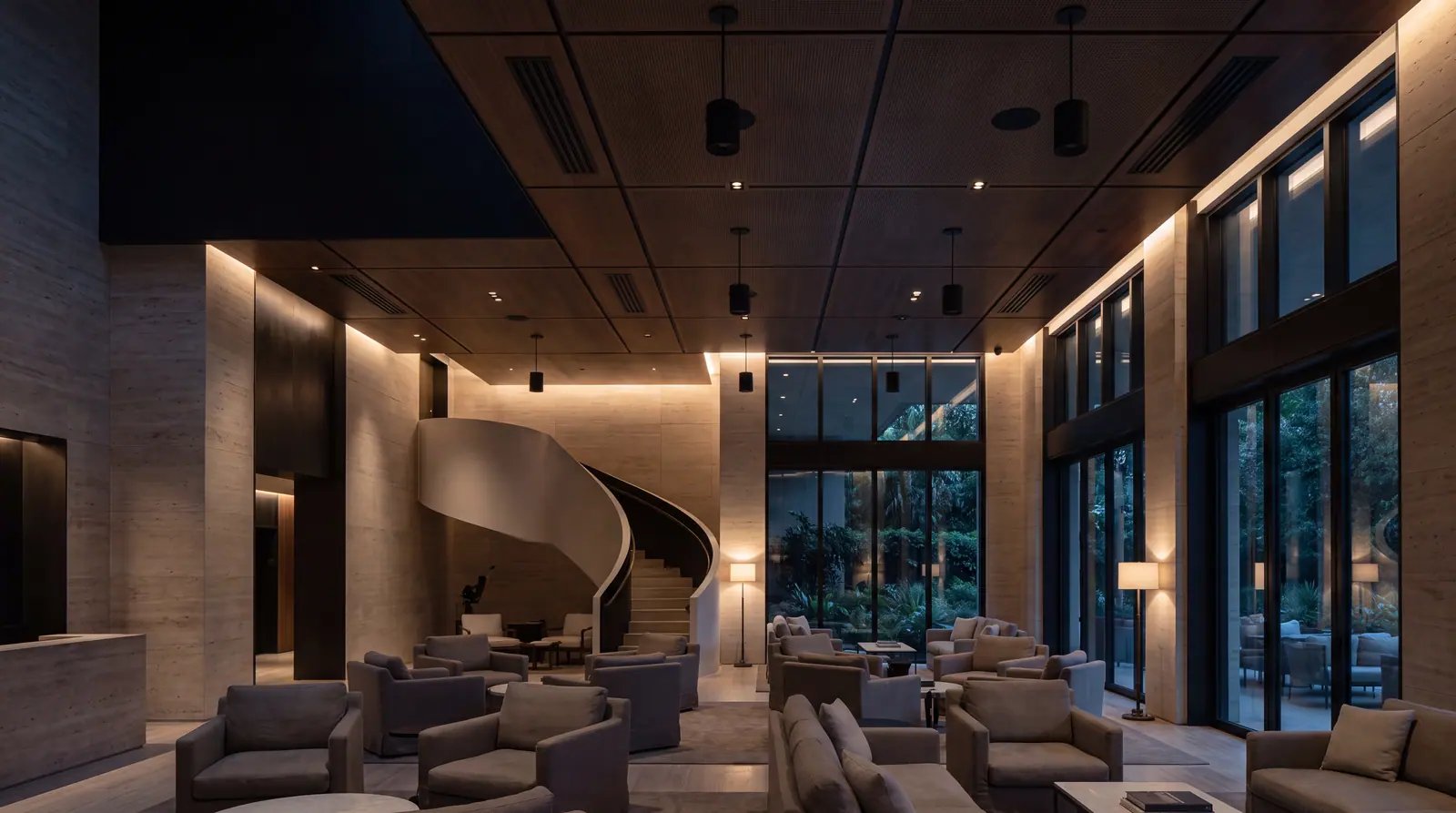
Coverage planning answers a practical question: will every guest hear the same quality of sound, at an appropriate level, wherever they are sitting or standing? It is the difference between a room that works everywhere and a room with loud seats and dead corners.
Typical Deliverables
- Speaker-location plan with aiming angles
- Coverage strategy and zone map
- Delay and level plan
- Commentary on room acoustics and any treatment recommendations
When It Happens
Runs alongside system design and is refined once finishes, furniture layout, and ceiling details are settled.
Working With Other Trades
Coverage decisions frequently affect the reflected ceiling plan and lighting layout. Resolving them with the design team early avoids the familiar late conflict between a speaker position and a downlight.
- 04
System Programming
Programming is where the system becomes usable. The processing is configured, the zones are routed, protection is set, and the control interface is built around how the venue actually runs — so that a manager can open the room without calling for help.
Typical Deliverables
- DSP configuration file and documented settings
- Control-zone strategy
- Preset and operating-mode documentation
- Network configuration record
- Plain-language operating notes for venue staff
When It Happens
Begins once equipment is on site and powered, and continues through commissioning until the system is handed over.
Working With Other Trades
Programming depends on the network and power being complete, so it is scheduled with the installation team and the IT provider rather than assumed.
- 05
Tuning and Commissioning
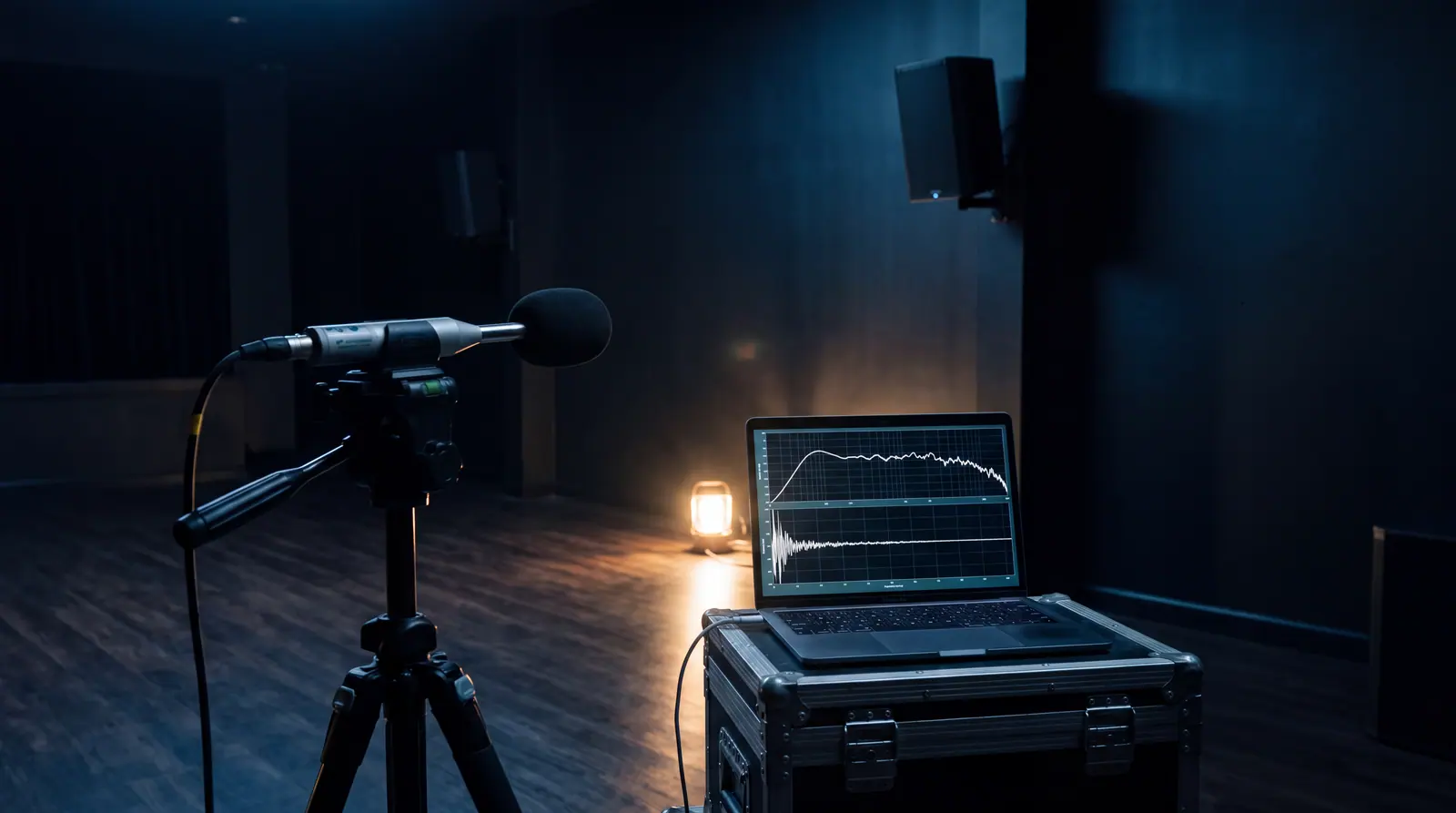
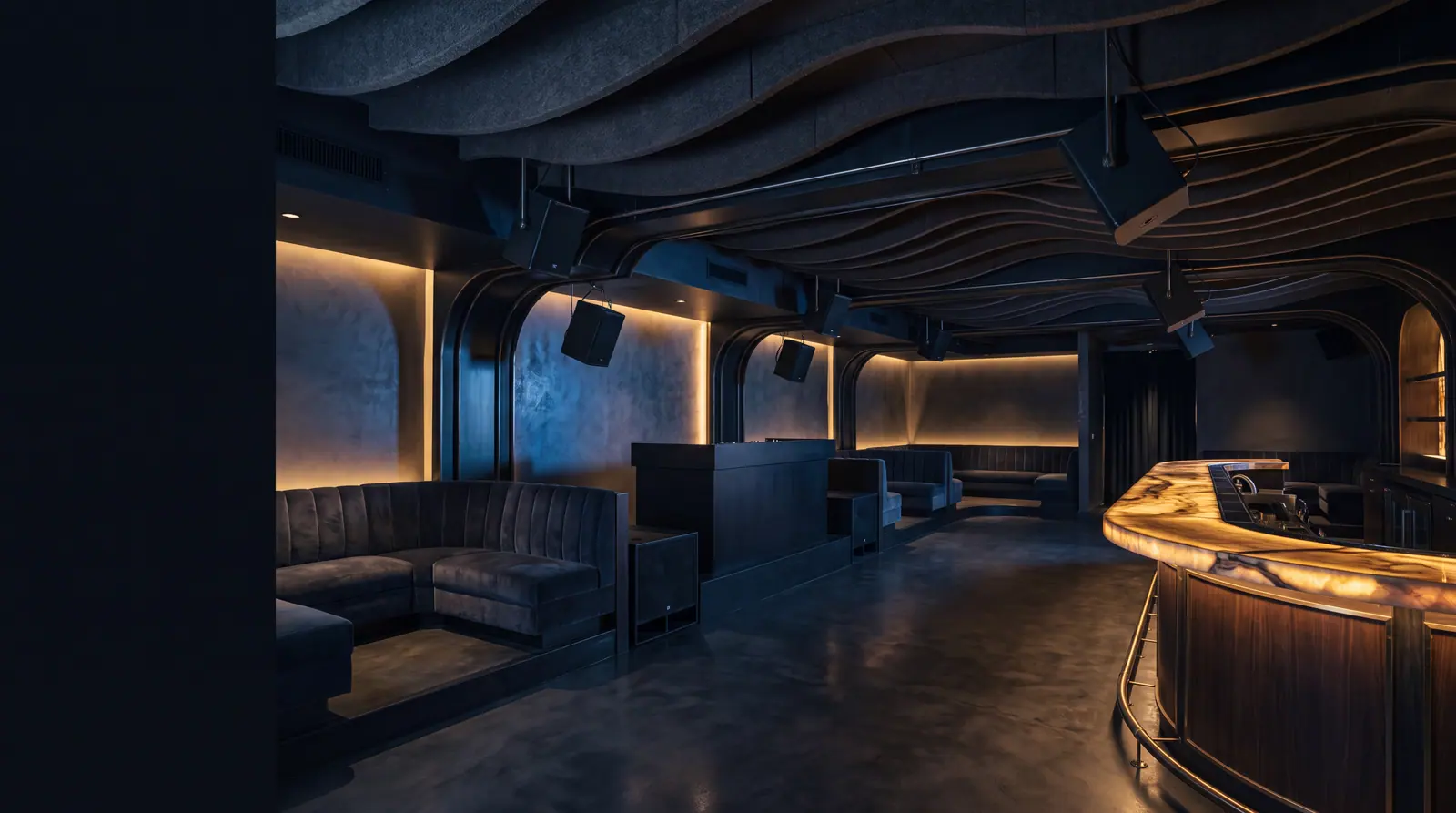
Commissioning verifies that what was installed matches what was designed, and tuning makes the installed system perform to its potential in the finished room. Both are done with measurement, not by ear alone, and both are documented.
Typical Deliverables
- Commissioning checklist with results
- Final tuning documentation and stored settings
- As-tuned system settings archive for future service
- Punch list of any outstanding installation items
When It Happens
After installation is complete and the space is substantially finished — ideally with furniture and soft goods in place, and before opening.
Working With Other Trades
Scheduled with the general contractor around the finishing sequence, because tuning a room that is still a construction site produces results that will not hold.
- 06
Project Coordination
A sound system is built by people who are not audio specialists — electricians pulling conduit, carpenters building millwork, contractors sequencing trades. Coordination is the work of keeping the design intact as it passes through all of them.
Typical Deliverables
- Coordination drawings and markups
- Infrastructure requirement schedules
- Site observation notes
- Substitution reviews
- Close-out documentation

When It Happens
Continuous, from design development through construction and into commissioning.
Working With Other Trades
CALISONICS works as the audio voice within the existing project structure, reporting to the owner or the project manager rather than adding another layer of process.


Planning a Space That Needs Exceptional Sound?
Tell us about the venue, the experience you want to create, and the current stage of your project. CALISONICS will help define the right audio strategy.